North Texas Execution Raises Questions Nearly 18 Years Later
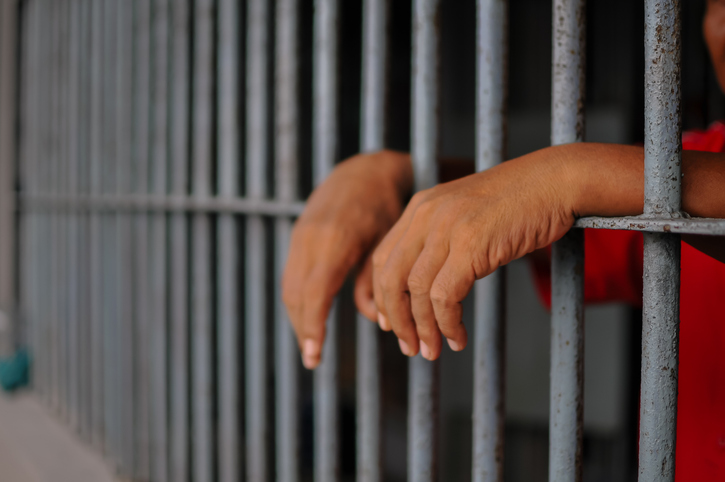
A North Texas case tied to a deadly 2008 robbery in Garland has come to a controversial close. James Broadnax was executed Thursday evening in Huntsville for the shooting deaths of two men outside a local recording studio.
Prosecutors maintained Broadnax confessed to the crime and showed no remorse at the time. However, in the years leading up to his execution, his legal team raised serious concerns. They argued his confession was unreliable, claiming he was under the influence of drugs and in a state of despair when he made those statements.
Adding to the complexity, his cousin, Demarius Cummings—who is serving life without parole—recently claimed he was the actual shooter. Attorneys also pointed to forensic evidence, including DNA, that they say supports that claim.
Broadnax’s appeals also questioned whether race played a role during jury selection and criticized prosecutors for using rap lyrics he wrote as evidence to portray him as violent. Despite these arguments, the U.S. Supreme Court declined to halt the execution, and the Texas Board of Pardons and Paroles denied a request for clemency.
In his final statement, Broadnax expressed remorse and apologized to the victims’ families. Meanwhile, one victim’s mother publicly supported the execution, calling new claims a delay tactic.
The case has sparked ongoing debate across Texas—raising questions about the use of evidence, fairness in the courtroom, and what justice truly looks like nearly two decades later.
The Kickback w/ Jazzi Black and DJ Wire Weekdays 9A-3P, Saturdays 12P-3 P | Follow us on IG @kickbackoffair , Follow Jazzi Black on TikTok @jazziblack
North Texas Execution Raises Questions Nearly 18 Years Later was originally published on thebeatdfw.com


