Fashion for All: Met Gala Expands Inclusivity
- The Met Gala's new 'Costume Art' exhibit highlights disabled, pregnant, and nontraditional bodies, reclaiming fashion history.
- Disabled models and designers are centered, not just invited, as artists, muses, and innovators.
- The goal is to make this inclusivity the new standard, not just a one-time moment.
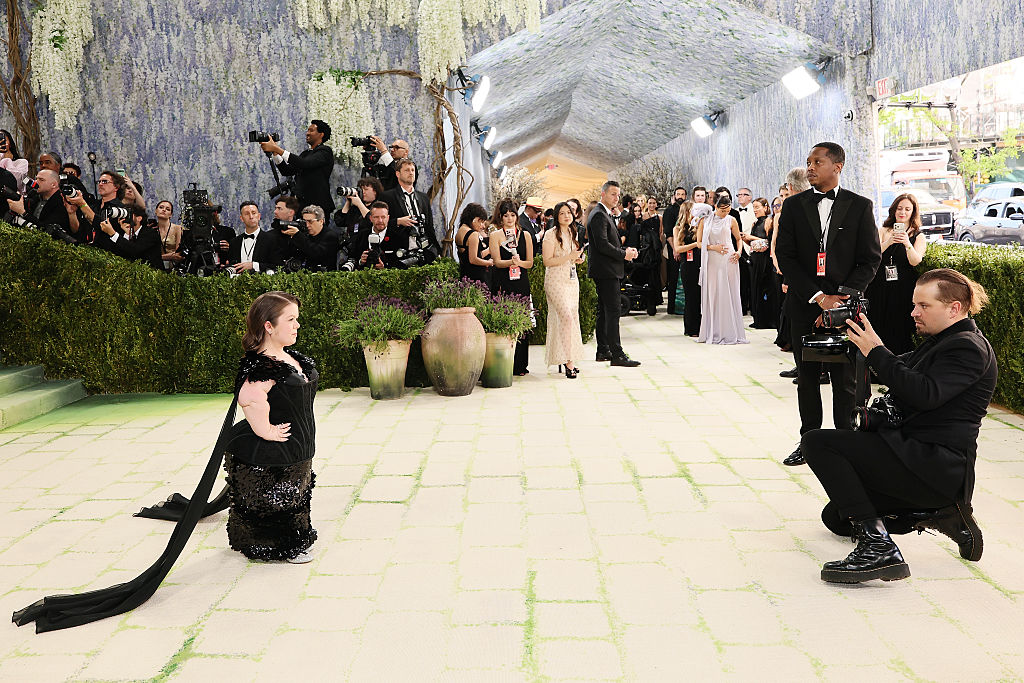
For years, the Met Gala has defined exclusivity—celebrity guest lists, $75,000 tickets, and those iconic steps at the Metropolitan Museum of Art that weren’t built with everyone in mind. But in 2026, fashion’s biggest night finally made space for more bodies, more stories, and more realities.
And it starts with Aariana Rose Philip.
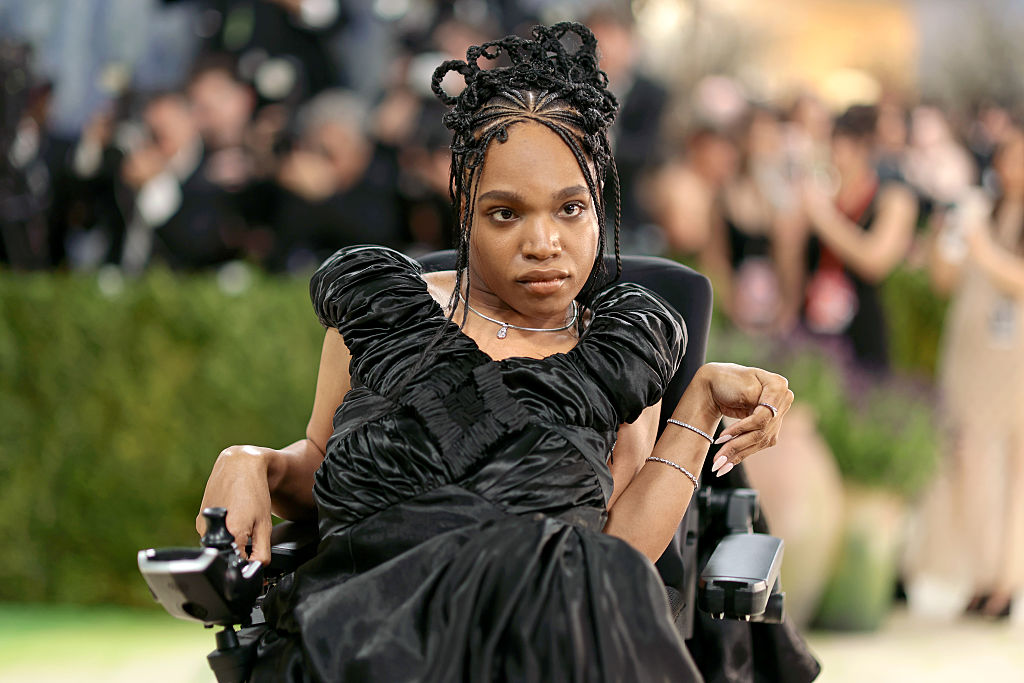
The Antiguan American model, who has quadriplegic cerebral palsy, made history as the first wheelchair user to attend the Met Gala. Already a standout in the industry—walking for Collina Strada and appearing in British Vogue—Philip also became part of the museum itself, modeling as one of the mannequins in this year’s exhibition. Her presence wasn’t just a moment—it was a statement.
Inside the Costume Institute’s new “Costume Art” exhibit, that statement expands. The show reimagines fashion history through what curator Andrew Bolton calls a “reclaimed body”—highlighting forms often ignored: disabled, pregnant, aging, and nontraditional bodies.
Disabled representation takes center stage.
Paralympian and model Aimee Mullins is featured through a mannequin wearing striking prosthetic boots designed in the spirit of Alexander McQueen—blurring the line between assistive devices and high fashion. Activist Sinéad Burke, who has dwarfism, is represented in two looks: a reimagined Burberry trench and a playful Vivienne Westwood and Malcolm McLaren design, both tailored to her body, not the other way around.
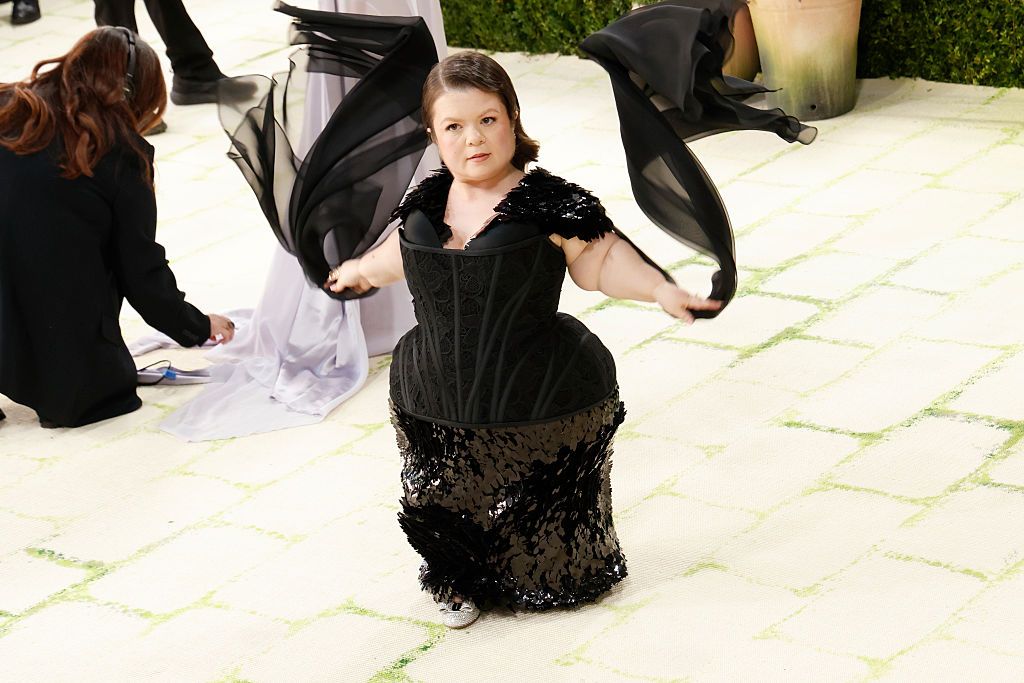
Philip’s mannequin, placed in a wheelchair, challenges perceptions head-on—styled not as an exception, but as a supermodel. Nearby, designs from creatives like Lucy Jones reflect lived experiences with disability, while Scottish designer Nadia Pinkney explores cognitive disability through garments inspired by Alzheimer’s.
And the exhibit doesn’t stop there. It celebrates the pregnant body, the aging body, and fuller figures—pairing garments with historic artworks to show that these bodies have always existed, even if fashion ignored them.
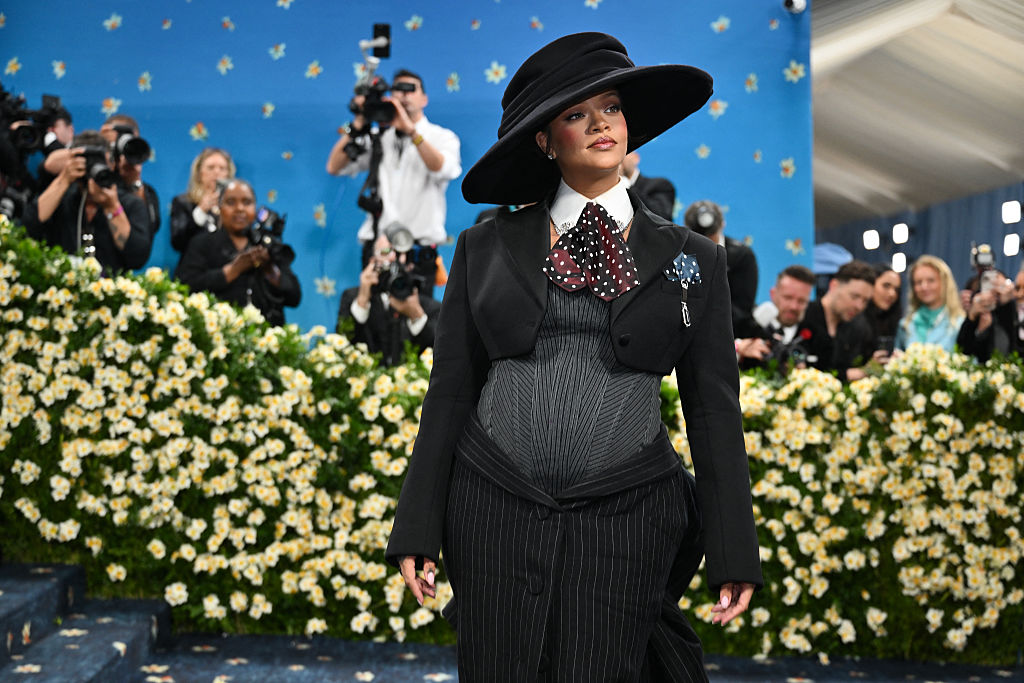
That’s what makes this moment powerful—and complicated.
Because while the Met Gala is finally embracing inclusivity, it’s also catching up. For decades, disabled people were excluded not just from the carpet, but from the conversation. Accessibility wasn’t prioritized. Representation wasn’t expected.
Now, it is.
This year feels like a turning point—where disabled talent isn’t just invited, but centered as artists, muses, and innovators. The Met Gala didn’t just add accessibility—it added perspective.
And moving forward, the goal is clear: this can’t be a moment. It has to be the standard.
The Kickback w/ Jazzi Black and DJ Wire Weekdays 9A-3P, Saturdays 12P-3 P | Follow us on IG @kickbackoffair , Follow Jazzi Black on TikTok @jazziblack
Fashion for All: Met Gala Expands Inclusivity was originally published on thebeatdfw.com